

Source: Reddit
There’s just something absolutely wild about turning trash into treasure—like, you eat a lemon, normally you’d toss the seeds, right? But what if you actually plant those little guys and prove, to yourself and maybe your skeptical roommate or mom, that hey, you can be responsible for living things! Growing a lemon plant in a cup is honestly so easy, it feels like cheating at gardening. Forget about “green thumbs”—it’s more like “green impulse.” Cheap, works in tiny apartments, zero gardening tools required unless you count a leftover takeout fork as a shovel (been there). All you need is one brave lemon, a cup, a bit of dirt, and the willpower not to overwater. Oh, and time. Plants love making you wait.
My introduction to this whole lemon-growing business? Not glamorous. More like an accident dressed as inspiration. I had some sad, saggy lemons aging disgracefully on the kitchen counter—one was so wrinkled, I swear it could star opposite Clint Eastwood. I squeezed the last dignity out of it for my tea, poked at the seeds floating in the mug, and figured, “Why not?” Fast-forward a few weeks: voila, my very own, extremely proud-looking green sprout on the windowsill. I’m not exaggerating—it made me want to start narrating its life in a David Attenborough voice.
Here’s What You’ll Need (and why):
- A fresh lemon: Go organic if you can, ‘cause some grocery lemons are basically dipped in chemicals and that can mess with germination. Not mandatory, but your odds are better.
- A clear cup or pot: Transparency’s fun, so you can creep on those roots as they do their thing, but whatever cup you’ve got will work. Plastic party cup? Sure. Last night’s coffee mug? Just rinse it, trust me.
- Potting soil: Regular old dirt kind of works if you’re desperate, but potting soil’s got better drainage and nutrition. Lemons are picky—drown their roots, and you’re back to square one.
- Water: Obvious, but don’t flood the thing. Sprouts aren’t fish.
- Plastic wrap or a baggie: Basically the poor man’s greenhouse. Don’t let your seeds dry out, or they’ll just sulk and never grow.
- Sunlight: Find the brightest, sunniest spot in your house. If your place is a cave, you’ll need a grow light, or just let your expectations go.
Little bonus: grab a marker and doodle on the cup. Makes it more fun, gives your plant some personality (and accountability, if you’re the competitive type).
Step-By-Step (with extra realness):
1. Seed Guy Selection
Cut into your lemon and scavenge out a handful of seeds. You’re playing the numbers here, because not all of them will sprout—nature is harsh. Rinse off all the slimy stuff, but don’t leave them to get crusty and dry. Dry seeds = stubborn seeds. Keep ‘em slightly gooey.
2. Cup Setup
Cups—fill ‘em most of the way up (leave maybe an inch at the top) with moist potting soil. No drainage holes? Yikes, be gentle with watering, or you’ll get the dreaded “root stew.” Actually, I once turned my whole cup into a mini bog. Spoiler: those seeds drowned. Don’t repeat my mistakes.
3. Planting (aka seed hide-and-seek)
Poke those seeds about half an inch down. Plant extras because, frankly, you’re not running a nursery here, you’re trying to win at probability. Gentle soil blanket on top, just a little pat—not a burial.
4. Improv Greenhouse
Seal the top with plastic wrap or your trusty sandwich bag. Boom: instant humidity-chamber. Lemons, drama queens that they are, sprout way faster when they’re warm and steamy. Prop the cup next to a window, or somewhere cozy and light. On top of the fridge if you’re desperate—just don’t forget it’s there.
5. The Waiting Game (Seriously, Good Luck)
Now, you wait. Possibly the toughest step for us instant-gratification people. Lemon seeds can take anywhere from two weeks if they’re feeling generous to a whole month just to poke their heads out. Want a pro tip? Set a reminder to check the soil every couple days, but maybe distract yourself with literally any other hobby. Over-watering is the #1 crime—your “seed baby” needs moist, not soggy, vibes.
6. Fresh Air Time
When you spot the smallest sliver of green, lose the plastic cover so your plant doesn’t rot. Keep turning the cup so the stem grows upright, not at a weird angle like it’s trying to escape. Living room plant display, here you come.
Tiny Lemon Care: Low-Key Parenting
When you see real leaves (the “true leaves,” not the round baby ones), pick the strongest and tell the others thank you, next. Water only when the soil on top looks dry. Forget about those calendar-watering schedules the internet talks about. Stick a finger in—if it’s damp, wait. Easy.
Lemon plants are sun junkies. Got a sunny spot? Claim it for your new plant. No sun? Well, LED grow lights exist and are surprisingly cheap, but you do you.
When “lemon junior” is about 6–8 inches tall and kind of crowding its cup, gently move it into a bigger pot. Drainage holes are a must. Please. Let the roots breathe and you’ll get actual leaves, not just a spindly cry for help.
Wanna up the ante? Try a diluted, all-purpose plant food once a month—like, a half-dose, not the full-on nitrogen bomb. Think of it as giving your lemon plant a little vitamin hit.
Lemon Growing: Surprisingly Fun for Humans
I’m obviously not the only one obsessed. There’s this family I know—total plant rookies—who turned it into a summer showdown. Kids vs. kids, names on each cup, measuring sprout heights like it was the World Series. Winner got bragging rights (and, honestly, the parents got some peace and quiet for a few weeks). Later those lemon sprouts turned into handmade gifts for the grandparents, and yeah, hearts were melted.
It’s way more than a goofy experiment. It’s sneaky life skills: patience (the kids hate waiting), consistency (plants guilt-trip you to remember them), and the satisfaction that comes from not letting something die. Plus, it doubles as an easy flex when people come over: “See that? Grew it from a seed I almost threw out.” Take that, succulents.

The Million-Dollar Question: Will I Get Actual Lemons?
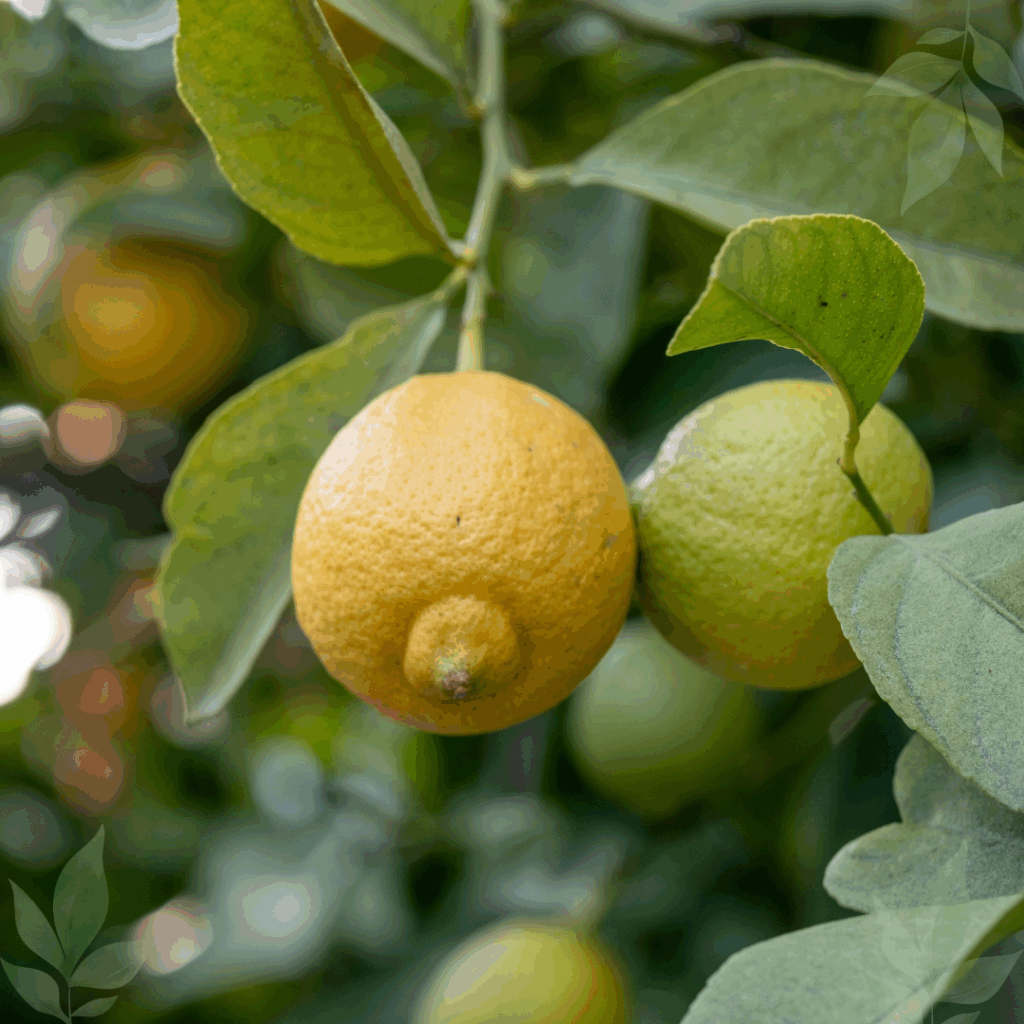
Here’s where reality hits—by now, you’re probably dreaming of homemade lemonade from your future bounty. Deep breath. Yes, you can get lemons…eventually. But be prepared: they’re not speed demons. You’re looking at multiple years (3–5 if the plant’s really loving you) before you even see blossoms, let alone fruit. Grafted nursery trees are cheaters—they pump out lemons way faster.
But, to be real, the best part of this whole DIY lemon saga isn’t the fruit. It’s watching those leaves unfurl, getting excited whenever a new one pops up, and generally lording your tiny bit of indoor nature over your friends. Plus, the fresh citrus-y scent from even a young tree? Such a vibe. If a lemon ever does show up, you’re officially king or queen of patience.
Growing a lemon plant in a cup is the ultimate “I did it!” project, whether you just want something green in your window or you’re planting the seeds of some weirdly competitive family tradition. Costs basically nothing, doesn’t care what skills you bring to the table. Give it some light, don’t drown it, and enjoy the slow magic. Who knows—someday you might be Instagramming your homegrown lemon harvest. Stranger things have happened.