
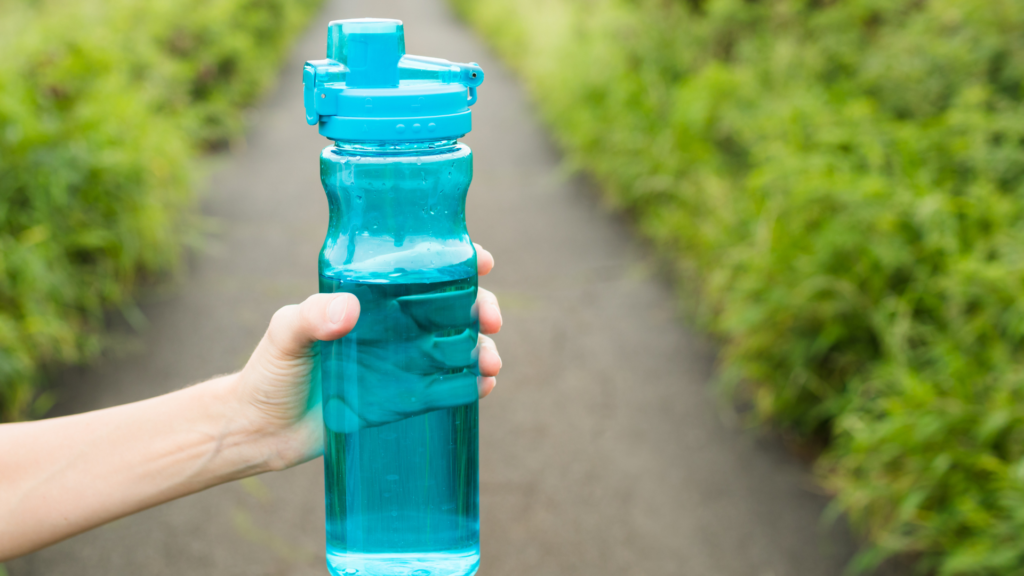
Alright, here’s the thing—let’s not sugarcoat it. Most people treat their water bottle like some invincible, self-cleaning magic tube. You fill it, drink from it, toss it in your bag, maybe rinse it if you’re feeling ambitious, and repeat. It’s seen more of your life than half your friends. But, and this is a big “but,” that bottle might be hiding some truly gnarly stuff. I mean, would you drink from a cup that sat by your bed for a week without a wash? Didn’t think so. Yet we treat these bottles like they’re immune to filth.
So, how often should you scrub the thing? Short and not-so-sweet: every single day. Yeah, you heard me. Daily. Sounds like a lot, right? I get it. I used to roll my eyes at that advice myself. But the second you realize what can set up shop in there—especially in those hard-to-reach spots around the mouthpiece and cap—you’ll never look at your “trusty hydration sidekick” the same way again.
Bottles: The Five-Star Resort For Germs
Let’s break it down. Your water bottle is like the Ritz-Carlton for bacteria. It’s dark, it’s damp, it’s cozy, and sometimes—if you leave it in your hot car—it’s a sauna. Bacteria don’t just survive in there; they throw ragers. And no, it doesn’t matter if it’s “just water.” Every sip introduces bacteria from your mouth. That’s just biology, my friend.
And those fancy bottles with flip tops, straws, or complicated lids? They look cool, but they’re basically playgrounds for germs. All those hidden nooks and crannies? Perfect for invisible squatters. There was this study (by treadmill fanatics, of all people) that revealed reusable water bottles can be dirtier than a toilet seat. Imagine that next time you take a swig mid-workout. We’re talking hundreds of thousands of bacteria colonies per square centimeter. Meanwhile, your dog’s chew toy is basically sparkling clean compared to that.
And let’s not even talk about what happens if you use your bottle for more than water—protein shakes, pre-workout, iced coffee? Those leftovers are like a buffet for germs.
Real Humans, Real Horror Stories
Look, this isn’t just urban legend territory. Take my buddy Jason from construction. He’s a “set it and forget it” kinda guy. Used the same insulated bottle for ages, just kept topping it up. “It’s only water, how bad can it get?” Famous last words. One day he uncaps it and—bam—gets hit with a smell that could knock out a horse. Slimy film, weird fuzz, the whole nine yards. He almost lost his lunch right there. Now he’s a bottle-washing zealot.
Or Olivia, queen of multitasking moms. She noticed her toddler’s sippy cup had a…let’s call it ‘unique’ scent. Took it apart and found mold straight out of a horror movie, hiding under the rubber valve. She still feels guilty. But now she washes every part, every single time—no matter how exhausted she is.
Moral of the story? If it smells sketchy, looks cloudy, or just gives you the heebie-jeebies—don’t wait. Wash it, like, yesterday.
How To Clean—Without Losing Your Mind
Look, nobody’s saying you need to haul out the hazmat suit or invest in a UV sterilizer. Just build a quick routine:
- Dump out any leftover water at the end of your day. Don’t let it stew.
- Hot, soapy water is your BFF. Get a bottle brush and actually use it. Reach all the way to the bottom—those last drops are a bacteria breeding pit.
- Don’t ignore the cap, mouthpiece, and those annoying ridges. That’s where the nastiest stuff hides.
- Let it dry fully. Upside down, cap off—don’t just close it up damp and forget about it.
If your bottle’s dishwasher-friendly, toss it in. And if you’ve used it for anything other than water, definitely don’t skip that step. Smoothie residue? That stuff is basically petri dish starter mix.
And let’s be real: if you’re in a rush and can only manage a rinse, fine, but try to do a proper clean as soon as you can. It’s not just about taste—though, yeah, stale water flavor is a crime—it’s about your health.
Level Up: The Weekly Deep Clean
Even if you’re on your daily wash grind, you gotta go deep now and then. Weekly works for most folks. Here’s how to do it without making it a full-time job:
- White vinegar + water (1:1). Fill ‘er up, let it sit overnight. In the morning, rinse like you mean it. Don’t worry, the vinegar smell will vanish.
- Baking soda bath. Two teaspoons in warm water, soak it for a few hours, then scrub and rinse. Smells begone.
- Hydrogen peroxide. Just a bit helps nuke bacteria and zap odors. Works wonders, but again—rinse, rinse, rinse.
Bleach? Only if you’re desperate and the situation has gone full biohazard. Rinse the heck out of it if you go that route.
“Wash Me” Warning Signs
Not sure if your bottle needs a clean? Here’s the checklist:
- Smells weird, no matter how many times you rinse.
- Water tastes “off,” like it’s been chilling in a pond.
- See any mold? Slime? Game over.
- It’s been abandoned for a while, especially in a hot place (hello, trunk-bottle).
- You’ve been under the weather. Don’t reinfect yourself.
And hey, if your bottle has gaskets, straws, or little removable bits—take those apart. They’re like a secret lair for grossness.
The Honest Truth: Some Bottles Suck to Clean
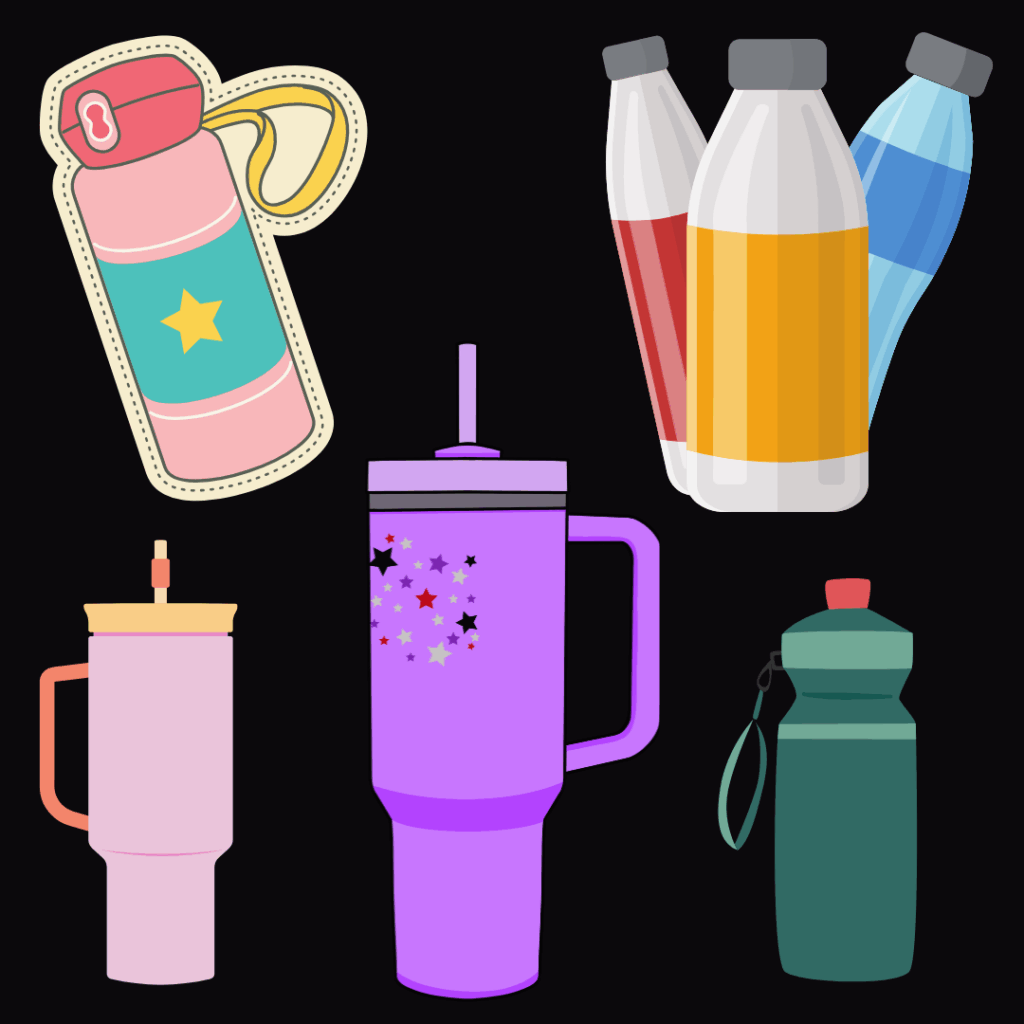
Let’s be real: not every bottle is a winner. Wide-mouth stainless steel bottles? Chef’s kiss. Easy to get in there, no weird smells, tough as nails. Narrow plastic bottles? Nightmare. They stain, they hold onto funk, and you can’t fit a brush in there unless you have toddler hands. Bottles with integrated straws, filters, and all that jazz? They’re basically designed to make cleaning as difficult as possible. Super convenient until you realize you’re basically drinking from a swamp.
If you’re shopping for a new bottle, maybe don’t just think about how cool it looks or how many stickers you can slap on it. Think about whether you’ll actually be able to clean it without cursing.
Bottom Line: Clean It Like You Mean It
If you’re drinking from your bottle every day, you should be washing it every day. It’s the same as your coffee mug or your favorite bowl. Once you get into the groove, it’s honestly just a couple of minutes—way easier than dealing with a moldy, stinky bottle later.
So do yourself a favor: next time you reach for your water bottle, give it a sniff, check the cap, and really look inside. If it passes the test, cool, you’re good to go. If not, grab the soap and brush. Your taste buds, your immune system, and probably your friends (who have to smell your gym bag) will all be better off.
Seriously, nobody wants to be “the person who drinks bacteria soup.” Don’t let that be your legacy.