
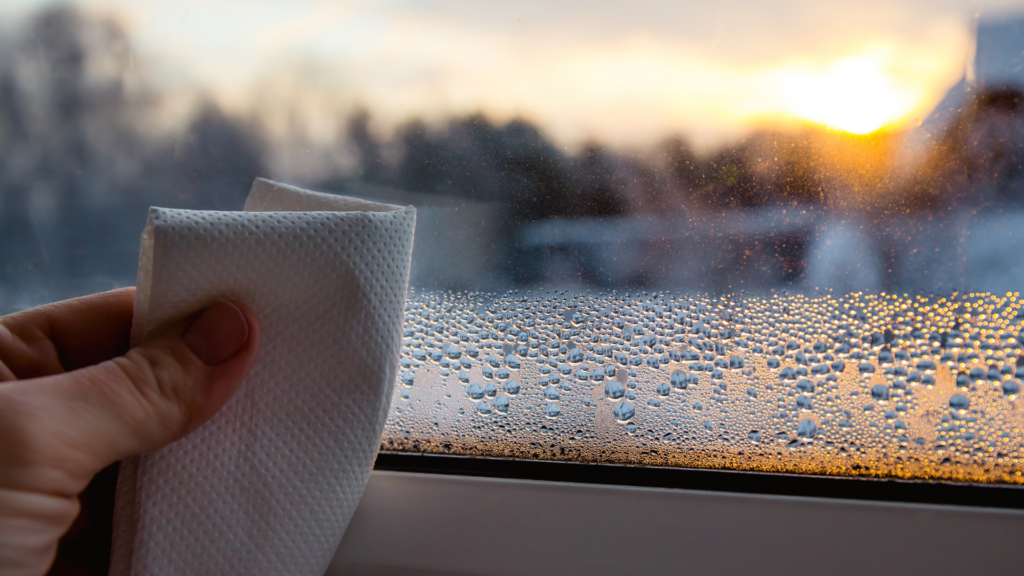
What’s the real story behind these weepy windows, and how do you fix it without blowing your paycheck at the hardware store? Let’s get a little deeper into the “why” before we boss around the “how.”
Why Do Windows Get All Steamy in the First Place?
Okay, picture this: your apartment’s toasty, you’re sipping coffee, but outside it’s basically Elsa’s Ice Palace. That warm, humid air inside? The second it hits cold glass, the moisture in the air throws a party and clings to every inch of your window. It’s like nature’s way of pointing out, “Hey, your insulation sucks!” Or at least, your ventilation does.
And it’s not just a winter thing. I used to think, “Whatever, it’s only a problem when it’s freezing,” but, nope. Cook a big meal, take a hot shower, or even dry your laundry inside when it’s raining out? You’re just feeding the beast. Basically, if your home’s air can’t escape, you’re living in a cloud.
1. Ventilation: The Low-Tech, High-Impact Fix
You ever notice how stuffy basements or old houses feel? That’s what happens when air’s got nowhere to go—humidity just stacks up. The simplest fix is literally letting your house breathe. Yeah, it sounds obvious, but so many people skip it because, “Ugh, it’s cold out!” Trust me, a quick blast of fresh air every day does wonders.
And let’s get real: you don’t have to crack every window. Just target the worst offenders. Bathrooms after a steamy shower? Kitchen after you’ve boiled pasta? That’s prime time for a humidity dump. If you’re like me and hate the idea of shivering, run an exhaust fan or stick a cheap box fan facing out the window for a few minutes. It’s like giving your room a quick exorcism.
And here’s a pro move: leave your closet doors or cabinet doors open a crack every now and then. Stale air gets trapped in there, and next thing you know, your favorite sweater smells like an old sponge.
2. Dehumidifiers & DIY Moisture Traps: Not Just for Grandma’s Basement
If you’ve got chronic condensation, don’t just mop it up and hope for the best. A dehumidifier is like a vacuum for wet air—set it up, and you’ll be shocked how much water it sucks out. Seriously, emptying that tank is both gross and satisfying.
But if you’re not about to drop cash on a new gadget, there’s old-school hacks. Bowls of rock salt, baking soda, or charcoal are cheap, easy, and weirdly effective. Just swap them out when they get clumpy. I’ve even heard of people using kitty litter. (I mean, it absorbs everything, right?)
And the rice-in-a-sock trick? Genius for bedrooms or little spaces. Sure, it looks weird—like you’re prepping a makeshift weapon—but it works. Plus, it’s a great conversation starter if someone comes over and asks why you’ve got socks on your window ledge. “Oh, that? Just fighting moisture crime, no big deal.”
3. Insulation: Trick Your Windows Into Staying Warm
Cold windows = condensation city. But replacing all your glass? Yeah, that’s a rich person move. For the rest of us, there’s insulation film—seriously, that stuff you shrink on with a hair dryer. It’s almost fun to put up, and you’ll notice less draft and way less fog.
And this might be obvious, but heavy curtains aren’t just about blocking sunlight (or nosy neighbors). They create a buffer zone, so the warm air doesn’t slam right into the cold glass. Layer them up—heck, get creative with blankets if you’re desperate.
One extra tip: weatherstripping. You can grab it for cheap, slap it around the edges of your window, and you’ll stop both drafts and a good chunk of moisture problems.

4. Stop Making It Rain Indoors: Humidity Habits Matter
Look, every time you shower, cook, or dry clothes inside, you’re basically turning your place into a rainforest. Want to cut it down? Use fans, put lids on your pots, and if you’re drying clothes on a rack, try to do it near an open window or in a room with some airflow.
I went way too long without a humidity meter, but they’re like $10 online. Once you start checking, you’ll be like, “Whoa, it gets that high in here?” If you see it going over 50%, you know it’s time to take action. Keep it in the sweet spot (30–50%), and your windows—and lungs—will thank you.
5. Maintenance: Don’t Just Wipe—Dry Everything
Okay, you wiped the glass. Gold star. But what about the frame and sill? If you let water chill there, especially on wood, you’re basically inviting mold to move in. And mold does not pay rent. Even plastic or metal frames can get gross and rusty.
Here’s a trick—keep an old towel nearby and give the whole window a quick swipe every morning. Takes two seconds, saves you a headache (and a repair bill) down the road.
Bonus: Silica Gel Packets—Tiny, Mighty, and Free
Raise your hand if you’ve ever tossed those “DO NOT EAT” packets. Next time, don’t. Those little guys are moisture magnets. Scatter them on the sill, tape them under the frame, or toss ’em in your closet. When they feel soggy, pop them in the oven for a bit to dry them out, and you’re good to go again.
When It’s Between the Panes? That’s a Whole Other Ballgame
If you see fog stuck between the layers of glass, sorry—your window’s seal is shot. No amount of rice, salt, or good vibes will fix that. You’ll need a pro, or you’re looking at window replacement. I know, it sucks. But at least the other tips will keep your other windows happy.
The Takeaway: Manage Moisture Like a Boss
Here’s the bottom line: condensation isn’t just about annoyance or aesthetics. If you ignore it, you risk turning your place into a science experiment. But if you do a little prevention—air out your space, tackle the humidity, insulate where you can, and stay on top of cleaning—you’ll wake up to clear windows and a way healthier home.
And trust me, there’s something weirdly satisfying about sipping your coffee, looking outside, and seeing the world through glass that isn’t dripping or streaky. No more towel patrol. No more mystery smells. Just good vibes and clear views.
Give it a shot. Mix and match the hacks till you find what works. You’d be surprised how much these little changes add up—kinda like compound interest, but for your windows. And if nothing else, your guests will stop asking, “Why are your windows crying?”