

🍫 What’s Up With That Weird Dusty Stuff on Chocolate?
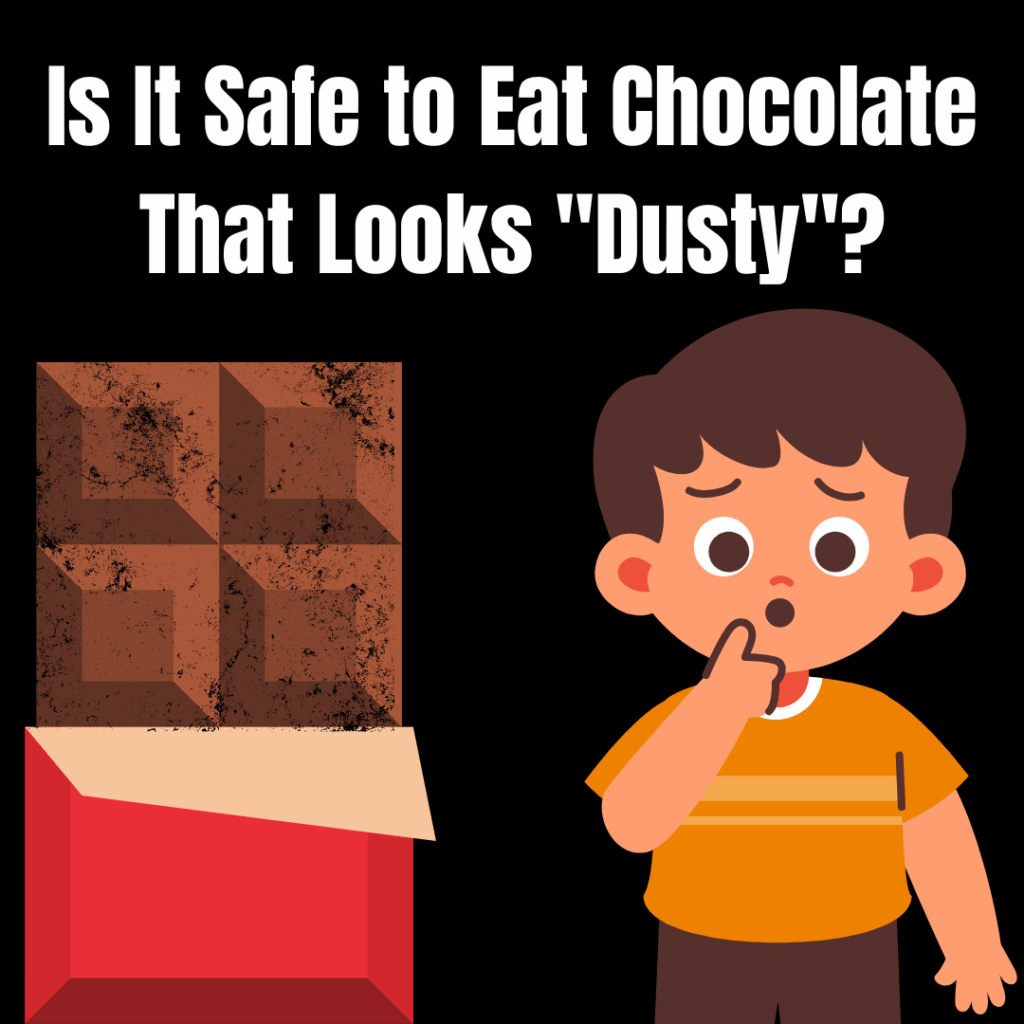
You ever rip open a chocolate bar, thinking “finally, my sweet reward,” and then—bam. The thing’s wearing a grayish or chalky white film like it’s auditioning for a zombie movie. Cue the internal drama: “Is this chocolate dead? Am I about to be dead?” Nope, you’re (probably) fine. This isn’t some Willy Wonka curse. It’s just a thing called “bloom,” and honestly, it happens to the best of us.
Alright, so chocolate bloom isn’t just one flavor of weirdness. There are two main players in this little show:
1. Fat Bloom
This is the main culprit most of the time. What happens is, the cocoa butter—basically the fat in chocolate—acts up when you mess with the temperature too much. Like, you stash your chocolate in a warm car, then haul it inside to the fridge, or maybe your house is just a sauna. The fat melts a little, then when things cool off, it can’t quite find its way home, so it sets up camp on the surface. That’s where you get that dull, ghostly dust.
✅ Still safe to eat. Sure, it might taste a little funky—maybe a bit grainy, maybe a hint waxy. But unless you’re allergic or the bar’s been hanging out since the Obama administration, it’s not going to hurt you. Honestly, if you’re desperate for a sugar fix, you probably won’t even notice.
Extra nugget: Fat bloom is actually a sign the chocolate wasn’t stored like the gold it is. If you’re a chocolate snob (no shame), you’ll want the shiny stuff. That’s “properly tempered” chocolate, and it’s all about how the cocoa butter crystals line up. Science, baby. But if you’re just here for the sugar rush, whatever.
2. Sugar Bloom
This one’s all about water—condensation, humidity, your cousin who microwaves everything. When water gets on chocolate, it dissolves a bit of sugar. Then as the water evaporates, the sugar recrystallizes on the surface. It looks rough and powdery, kind of like someone dusted your chocolate with chalk.
✅ Also safe to eat. Might taste a little gritty, maybe even sticky if you’re really unlucky. Not gonna kill you, though. It’s just…not exactly candy commercial material.
Pro tip: Sugar bloom happens a lot when people throw chocolate in the fridge. I get it—it’s hot, you want to save it from melting. But then you take it out, and boom, condensation. You actually made it worse. Classic.
🧪 Bloom or Mold? How Do You Even Tell? (Because, You Know, Mold Is Actually Gross)
I see people freak out about this all the time. Here’s the thing: chocolate’s basically a desert for mold. Not much water, which means mold can’t party there. But if you do see something that looks like it crawled out of a horror movie, maybe put the chocolate down.
Here’s your cheat sheet:
| Bloom | Mold |
|---|---|
| Pale gray or white film | Fuzzy, patchy, weird colors (green/black) |
| Wipes off with a finger | Feels squishy, fuzzy, or slimy—ew |
| Smells normal | Smells like feet, sour, or just…off |
If your chocolate straight-up smells weird or has rainbow mold circles, just toss it. Seriously, it’s not worth the ER bill. But if it’s just that dusty coating, don’t worry about it. Some people even wipe it off and pretend nothing happened. Hey, I’m not judging.
Real talk: If you’ve got chocolate that’s been kicking around for years, maybe just use it for baking or, I dunno, as a paperweight. At a certain point, flavor just…checks out.
🧺 Story Time: Grandma’s Chocolate Wisdom
So, someone on Reddit tells this story: they find a dusty box of fancy truffles in grandma’s pantry—a real archaeological dig. The rest of the family looks horrified, like grandma’s about to eat a fossil. Grandma just shrugs, pops one in her mouth, and says, “It’s just bloom. Y’all are soft.” She was fine. In fact, she called everyone else a bunch of wimps and kept eating. Eventually, everyone caved and, surprise, the truffles were totally edible. Maybe a little past their prime, but hey, you don’t argue with grandma.
Moral of the story? Don’t let a little gray dust scare you. If grandma’s cool with it, you probably should be too.
💡 How the Heck Do You Stop Chocolate Bloom?
Wanna keep your chocolate looking sexy? It’s not rocket science, but it’s a little extra. Here’s how:
- Consistent temperature—think Goldilocks, not too hot, not too cold, right in that 60-70°F (15-21°C) sweet spot. Your sock drawer could legit be better than the fridge.
- Keep it dry. Humidity is the enemy. Skip the fridge unless you live on the sun.
- Use airtight containers. Oxygen and moisture are out to ruin your snack—don’t let them.
- Don’t touch it too much. Your hands are warm, and chocolate is basically a drama queen about heat. Fingerprints = future bloom.
Extra tip: If you’re hoarding fancy chocolate, wrap it up tight and keep it somewhere boring and dark. Not your car’s glove box. Not your sunny kitchen counter. I mean, unless you like the thrill of chocolate roulette.
👩🍳 Can You Use Bloomed Chocolate in Baking?
Absolutely, yes. In fact, baking is like chocolate’s makeover show. Melt it down for cookies, brownies, ganache, hot chocolate—whatever your heart (or sweet tooth) desires. Once it melts, the bloom’s gone, and no one will ever know your chocolate had an awkward phase.
Side note: If you’re melting chocolate for a glossy finish (like for dipping strawberries), bloom might mess with your looks a bit. But in brownies or cakes? Who cares. It’s all getting chewed up anyway.
🧾 Bottom Line
So, that old chocolate bar with the weird dusty jacket? It’s probably just a little bloomed, not a biohazard. Unless it smells like a gym sock or is growing technicolor fuzz, you’re good. Eat it, melt it, bake it, or pawn it off on your less-picky friends.
Chocolate’s like people—it can handle a little rough patch and still be awesome. Don’t let a little bloom kill your vibe (or your dessert plans).
Want to turn this into a killer blog post, or need some Pinterest-ready hacks for storing your snacks? Say the word. There’s always more chocolate wisdom where that came from.