
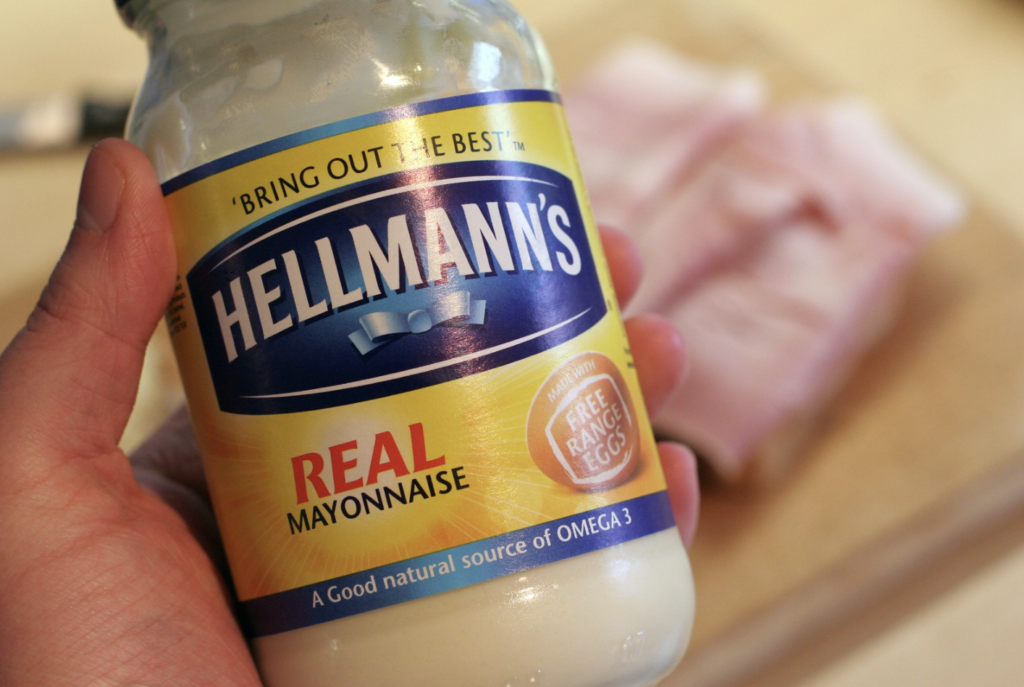
Image source: flickr.com
Alright, buckle up—let’s go even deeper into the wild world of mayonnaise. Because, honestly, mayo is way more complicated than anyone gives it credit for. People just assume it’s this basic, reliable spread, but there’s drama, there are rules, there are epic fails. And oh boy, there are opinions.
Store-Bought vs. Homemade: Mayo’s Identity Crisis
So, about store-bought and homemade mayo being totally different creatures—let’s really dig in. Store-bought, like Hellmann’s, Best Foods, Duke’s—those guys are made in labs so pristine you could probably eat off the floor (don’t, though). They use pasteurized eggs, which are basically eggs that have been given a spa treatment to kill off any nasties. Plus, they’re loaded up with preservatives—because, let’s be real, nobody wants to make a new batch of mayo every week. This is why you can forget a half-used jar in the back of your fridge for like, two months, and still live to tell the tale.
But homemade mayo? Total diva. You whip it up with raw eggs (unless you’re extra and use pasteurized eggs at home, but who does that?), a bit of oil, maybe some lemon juice or vinegar, and that’s it. It tastes a million times better, but it’s fragile. Like, “handle with care, may self-destruct at any time.” Three days and you’re already pushing your luck. And if you’re still hanging on to that batch a week later—well, I hope you’re good friends with your toilet.
Honestly, food safety people always say homemade mayo is a “use it or lose it” situation. I mean, you wouldn’t drink milk that’s a week past its prime, right? (Okay, some of you would, but you’re living dangerously.)
Mayo Horror Stories: Why We Don’t Improvise
So, my buddy Jason’s story? Classic, but not unique. Everyone’s got one—maybe it’s that time you made egg salad with mayo that had been chilling in a questionable fridge at your office, or the time you forgot you opened a new jar right before vacation. Next thing you know, you’re playing Russian roulette with your sandwich.
Actually, here’s another one: a friend of mine once brought a potato salad to a summer BBQ. She left it out on the picnic table for, oh, three hours, under the blazing sun. People were raving about it—until later that night, when half the guests were texting her from their “reading rooms.” Mayo + heat + time = disaster. Don’t mess around.
Shelf Life: Not All Mayo Is Created Equal
Let’s get nerdy for a sec. That “2 months after opening” rule for store-bought mayo isn’t just pulled out of thin air. The preservatives and acid (from vinegar or lemon juice) help keep bacteria in check, but only if you store it right. That means fridge temps below 40°F and, yeah, don’t let it sit out for hours on the counter while you “meal prep” and get distracted by TikTok.
And if you’re one of those people who uses a dirty butter knife to scoop mayo, then puts it back in the jar—look, I’m not judging (okay, I kind of am), but you’re asking for trouble. Every crumb, every smear of tuna or chicken salad, ups the contamination risk. It’s like putting your toothbrush in the toilet and then wondering why you get sick.
Bad Mayo: It’s Sneaky
Here’s the thing—mayo doesn’t always go bad with fireworks. Sometimes, it’s subtle. A little tangier than usual, a bit of a weird sheen, maybe it’s separating or looking oily instead of creamy. The real pro move? Trust your senses. If it smells a little off, or you’re hesitating even for a second, just let it go. Seriously, the cost of a new jar is nothing compared to the price of a stomach bug.
And if you do see mold? That’s a hard “nope.” Don’t even try to scoop it out and use the rest. That’s like finding a spider in your shoe and just putting your foot in anyway. Why risk it?
Pro-Level Storage: Auntie-Approved
Let’s talk fridge real estate. The door is convenient, sure, but it’s basically a sauna every time you open it. Mayo likes consistency, so stick it on a middle shelf, far from the light and the blasts of warm air. And that whole “label everything” thing? Life-changing. Seriously, grab a Sharpie, slap the date you opened it on the lid. Suddenly, you’re not guessing if this is the mayo from last month or last year’s forgotten Super Bowl dip.
Also, keep that lid tight—air is not mayo’s friend. And the clean utensil thing can’t be overstated. Don’t be the reason your mayo dies young.
Mayo’s Secret Superpower: Shelf Life When Unopened
Here’s a wild card—unopened mayo is tough. That stuff can outlast your will to meal prep. As long as the jar isn’t puffy (which is a major red flag—like, “throw it out right now” level), an unopened jar can be good for months past the “best by” date. “Best by” is not the same as “will kill you after this date.” It’s just the company hedging their bets. But once you pop that seal, it’s a whole new ballgame. Fridge or bust.
Restaurant Mayo: The Big Tubs, The Big Stakes
If you’ve ever worked a kitchen shift, you know about those industrial-sized tubs of mayo. Those things could double as gym equipment. They’re shelf-stable until opened, but once the lid’s off, you treat them like gold. I worked with a chef who’d practically breathe fire if you left the top off. Not only is that stuff pricey, but one slip-up can mean a dozen sick customers and a visit from the health inspector. Trust me, no one wants to be the reason the whole kitchen gets a lecture about “foodborne illness week.”
The Mayo Truth: Respect the Spread
Look, mayo’s not invincible. Treat it like it matters. Give it a good home, use clean utensils, don’t ignore the warning signs. It’s not about being paranoid—it’s about not spending your weekend regretting your sandwich life choices.
And if you’re bad at remembering dates (join the club), do yourself a favor: date that jar. Or at least keep it somewhere you’ll actually see it and not behind three bottles of mystery sauce.
In the end, mayo’s like that friend who’s fun at parties but needs a little extra care. You don’t have to be obsessed, but a little attention goes a long way. Keep it chill, keep it clean, and you’ll get all the creamy goodness—without the drama.