
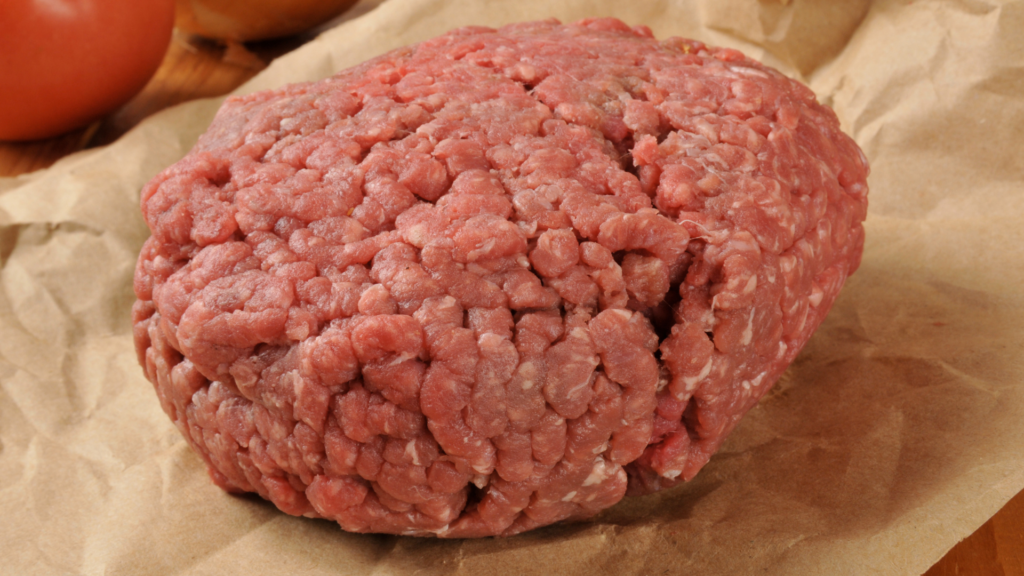
Alright, buckle up, because we’re about to take the deep-dive tour into the weird world of ground beef, fridge mysteries, and all the little things nobody tells you until you’re standing there, holding a plastic-wrapped lump of meat that could either make a killer taco or send you on an express trip to food-poisoning town.
Let’s be honest: we’ve all committed that fridge sin of buying ground beef with the very best intentions (“I’m totally making meatballs this week!”) and then, oops, it’s still there a few days later, looking less red, more… zombie chic. Gray, a little sad, and now you’re in that awkward stand-off. Should you trust your gut or the calendar? And, more importantly, how do you actually know what’s safe?
The Science-y, But Also Kinda Gross, Reason Beef Turns Gray
Here’s a fun fact: beef is actually supposed to look kinda weird on the inside when it’s fresh. No joke. If you cut open a brand-new, vacuum-packed hunk of ground beef, don’t be shocked if it’s dark and purple-ish. That’s just because it’s been living its best, oxygen-free life. Myoglobin (yeah, we’re dropping science now) is a protein in the muscle that reacts with air. When it gets exposed, it turns that familiar bright red we all associate with “fresh.” Grocery stores literally bank on that color to make meat look inviting.
But here’s where it gets trippy: once beef has hung out in the air for a while, oxidation keeps trucking along and the red can turn brown or gray. Think of it like an apple slice turning brown. Not ideal, but not exactly dangerous right away. So if you see a little outer gray, chill out. It’s not the end of the world—or your dinner plans.
But, plot twist: if the gray is everywhere and it’s giving off that “something died in here” vibe? That’s a whole other ballgame.
Real Talk: Gray Isn’t a Death Sentence… But Sometimes It’s a Red Flag
Look, there’s a difference between “a little gray” and “should’ve thrown this out last week.” If your ground beef is just a bit gray in the middle but feels firm and smells like, you know, beef, you’re probably good. The inside might be gray simply because it hasn’t seen air yet.
But if it’s gray throughout—like, full zombie mode—AND it’s slimy or sticky, or your nose wrinkles up when you get close? Toss it. Don’t even think about it. That slime is bacteria throwing a party, and you are not invited.
Pro tip: if you’re not sure, touch it. If it feels tacky, sticky, or just wrong, trust your hands. Your senses evolved for a reason. Also, I swear beef gone bad has a very specific, “oh-no-no” smell that’s hard to forget once you’ve experienced it. If you’re gagging, that’s a sign.
The Fridge Horror Stories: Learn From Other People’s Mistakes
Let’s get a little more personal. I once left a pack of ground beef in the fridge during a wild work week—forgotten behind the almond milk and a sad head of lettuce. When I finally found it, it looked… questionable. I did the whole routine (sniff, poke, peer at the date), but played it safe and tossed it. Two days later, my roommate tried her luck with her own “mystery meat” and, well, let’s just say she spent some quality time regretting her choices. Lesson learned: trust your instincts and don’t play roulette with your guts.
It’s not just us regular folks, either. Chefs and butchers have seen it all. They’ll tell you: “If it’s gray but smells fine and isn’t sticky, it’s probably good. But if it makes you flinch, get rid of it.” That’s the street wisdom you won’t find on those overly optimistic food blogs.
About Those Confusing Dates (You Know, the Ones Nobody Follows)
Here’s a fun little grocery store secret: those dates on your meat? They’re not law. “Sell-by” is basically for the stock boys to keep things moving. “Use-by” is more of a fresh-is-best suggestion, not a magic expiration moment. Beef doesn’t suddenly implode at midnight on the date listed.

But don’t push your luck. If you’re storing it in the fridge, try to use it within a couple days. If you’re not going to get to it, freeze that stuff. Pro tip: break it into meal-sized chunks before freezing, and double-bag it if you don’t want your entire freezer smelling like cow.
If you’re going full meal-prep hero and freezing a mountain of meat, label it. You will forget how long it’s been there. I literally found a bag labeled “???” in my freezer once. No idea what it was. Don’t be me.
How to Not Waste Your Money (or Ruin Dinner)
Let’s get practical. Want your beef to last longer? Grab from the back of the meat fridge at the store. It’s colder, and less picked-over. Once home, if you’re not cooking it in the next day or so, freeze it. No shame in that game.
And please, for the love of all that’s holy, thaw it in the fridge. Not on the counter, not in the sun, not in your car because you “forgot.” Trust me, bacteria multiply like crazy at room temp. Slow and steady wins this race.
If you’ve got a vacuum sealer, use it! Those things are like beef’s personal bodyguards. The less air, the slower it turns gross. And if you’re old school, just squish all the air out of a freezer bag and call it a day.
Final Word: Should You Risk It?
Here’s my take: if your beef is a little gray on the inside but smells and feels normal, you’re probably fine. Cook it thoroughly and you’ll be alright. If it’s slimy, stinky, or just feels off, toss it. Don’t risk it for a couple bucks’ worth of meat. Your stomach will thank you.
And hey, if you ever feel weird about it, ask a friend. Text a pic to your sibling, or FaceTime your mom. Sometimes you just need a second set of eyes to save you from yourself. Or, you know, save you from spending the night curled up in the bathroom.
So next time you’re stuck in that fridge standoff, remember: gray isn’t always the enemy, but your senses are your best defense. Trust them, don’t get cocky, and don’t let a little beef drama ruin your dinner plans.