
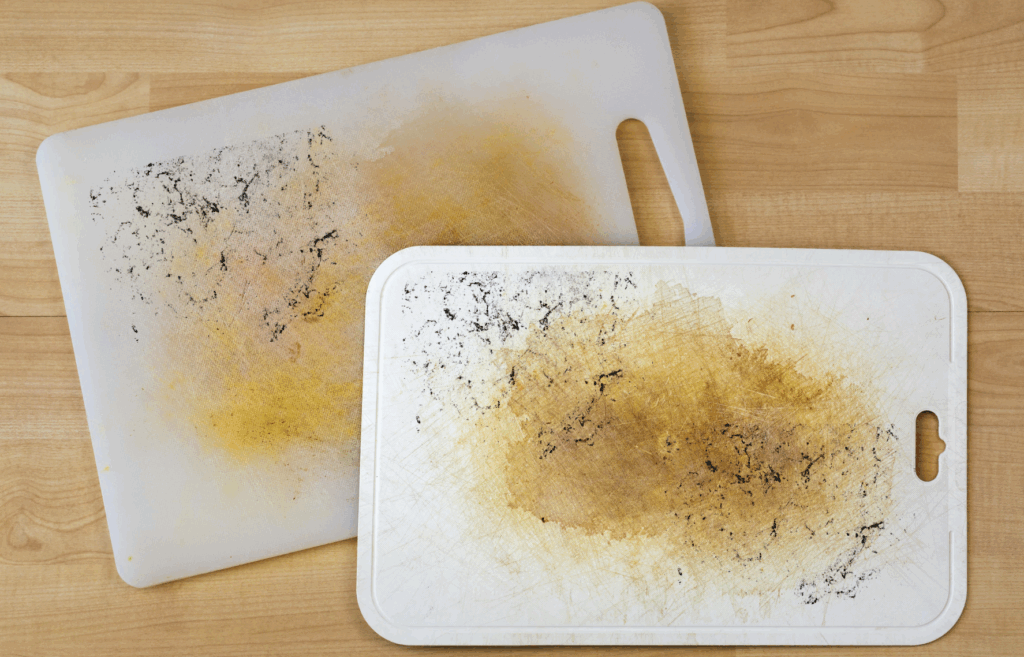
Plastic cutting boards: absolute kitchen MVPs, right? If you’re cooking literally anything—from hacking up veggies for a salad to slicing that questionable chicken breast—you’re probably reaching for one. Cheap, tough, and all over the place. But, real talk, those things can get gnarly fast if you don’t clean them right. Nasty smells, weird stains, bacteria city. The good news? You don’t need a PhD in chemistry or a haul from the cleaning aisle at Target to fix this. Just some basic supplies and a sprinkle of common sense.
I’ll never forget early on when I was still pretending I could cook, I had this white plastic board. Used it for everything. Strawberries, onions, salmon—didn’t matter. Eventually, the thing turned a funky shade of orange (shoutout to turmeric) and picked up a gross sour smell I just ignored. Until my best friend called me out—deadpan—”Umm, is that fish I taste in your fruit salad?” Yeah… mortifying. But hey, it kicked me into gear and I went down the rabbit hole of board-cleaning hacks. Saved my reputation (and my friendships).
1. Soap & Hot Water—Don’t Overthink It
Honestly, sometimes the classics work. After every use, hit that board with hot water and a squirt of dish soap. Grab a brush or a sponge—nothing scratchy—and scrub like your judgmental mother-in-law is watching. Rinse it well, prop it up to air dry. Done. This gets rid of most gunk unless you’re dealing with raw meat or something that stains like crime scene evidence.
2. Tea Tree Oil Spray—If You’re Feeling Fancy
Want to go the natural route? Tea tree oil is where it’s at. Antibacterial and smells like you just saged your kitchen. Mix a teaspoon of tea tree oil with a cup of water in a spray bottle. Clean the board first, then hit it with this spray, let it air dry. Works wonders after onions or garlic—your kitchen won’t reek.
3. Baking Soda + Hydrogen Peroxide = Stain Assassin
Some stains just won’t quit (looking at you, beets). Mix equal parts baking soda and hydrogen peroxide into a paste. Smear it on the stains, scrub with a brush, and let it chill for 10 minutes. Rinse with hot water. I did this on a board after chili night and it was basically reborn. Bonus: it nukes stubborn smells too.
4. Lemon & Salt—Old School Cool
Feel like channeling grandma? Cut a lemon in half, sprinkle coarse salt on the board, then use the lemon as your scrubber. Squeeze as you go. Great for small stains and everyday funk. Plus, your board will smell like a lemonade stand instead of last week’s dinner.
5. Vinegar & Water—Classic for a Reason
Vinegar is the MVP of the pantry. Mix half vinegar, half water in a spray bottle, spritz your board after washing, chill for a couple minutes, rinse. It’s super cheap, kills odors, and kicks bacteria to the curb—without chemicals that make you nervous.
6. Don’t Play with Raw Meat—Sanitize, Always
If you just cut up raw chicken or fish, don’t mess around. If your board can go in the dishwasher, toss it in there—those high temps do the dirty work. No dishwasher? Wipe it down with hydrogen peroxide or a weak bleach solution (1 Tbsp bleach to 1 gallon water), then rinse it like crazy.
Bottom Line
Plastic cutting boards aren’t glamorous, but they’re your kitchen sidekick. Show them some love—a quick daily clean, a deep scrub when they’re crusty, and a real sanitizing after raw meat. Do that, and your board’ll stick around for years. Next time you’re about to toss that stained, stinky board—pause. Give one of these tricks a shot. You might be surprised. (And your fruit salad will thank you.)